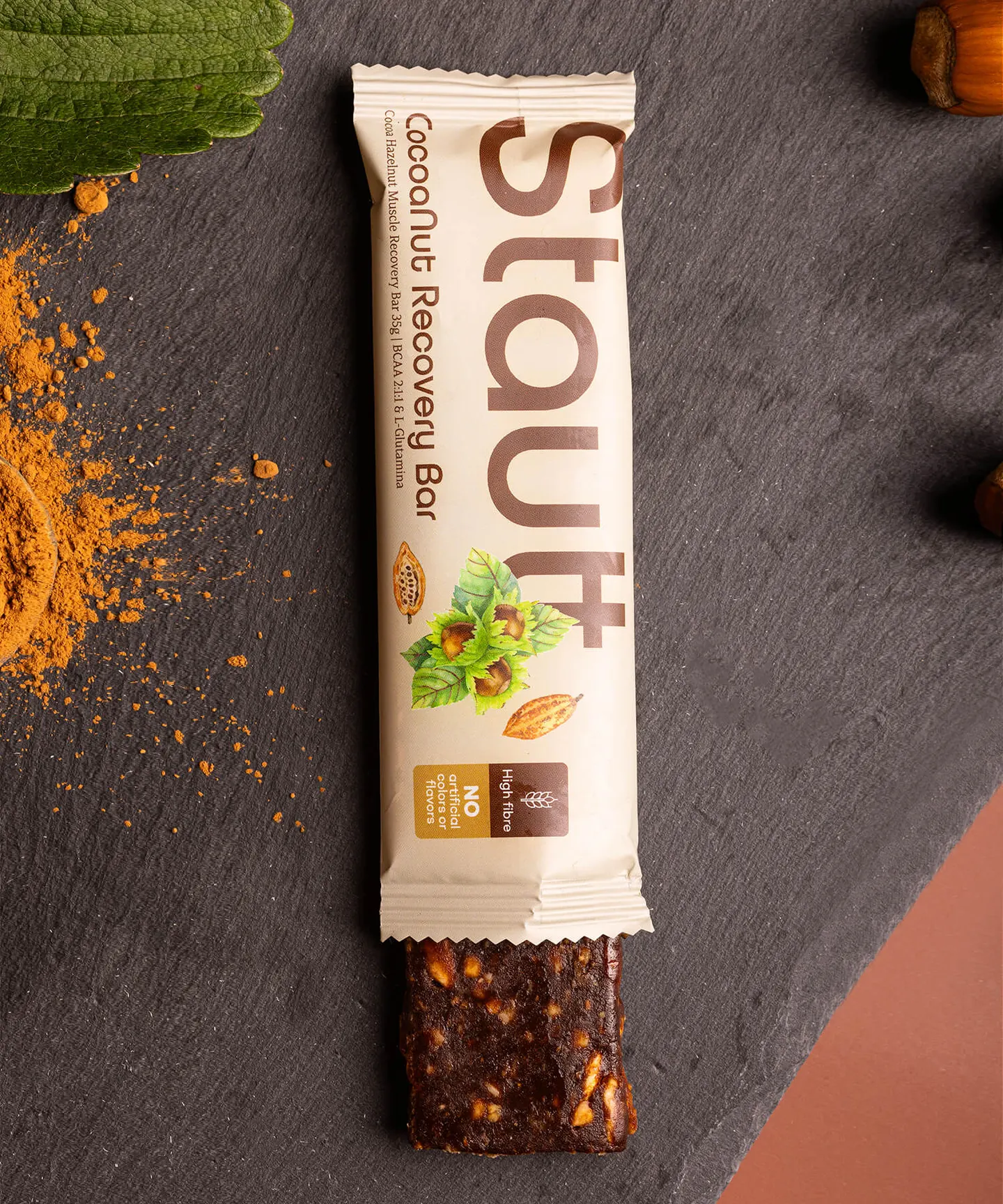
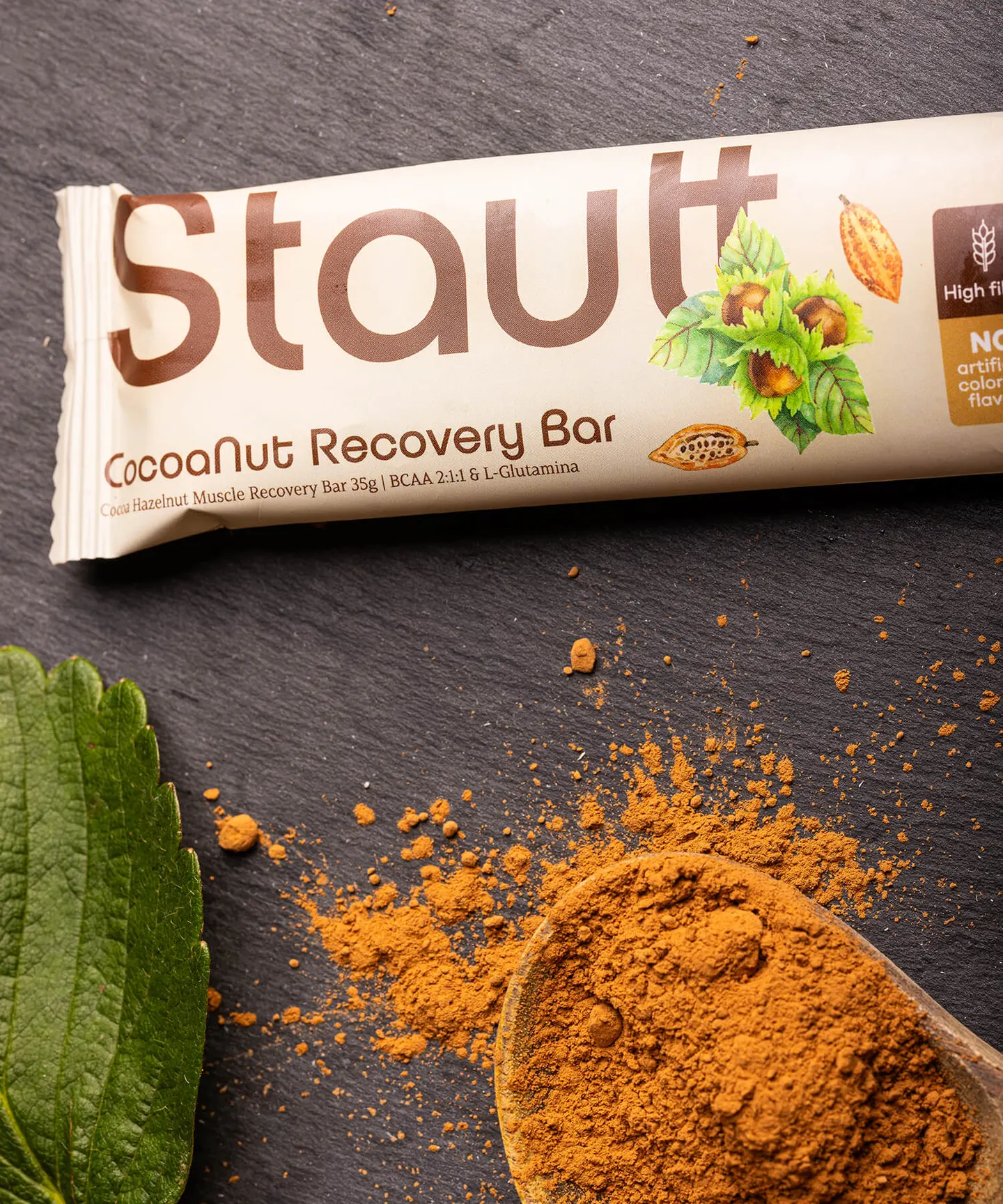
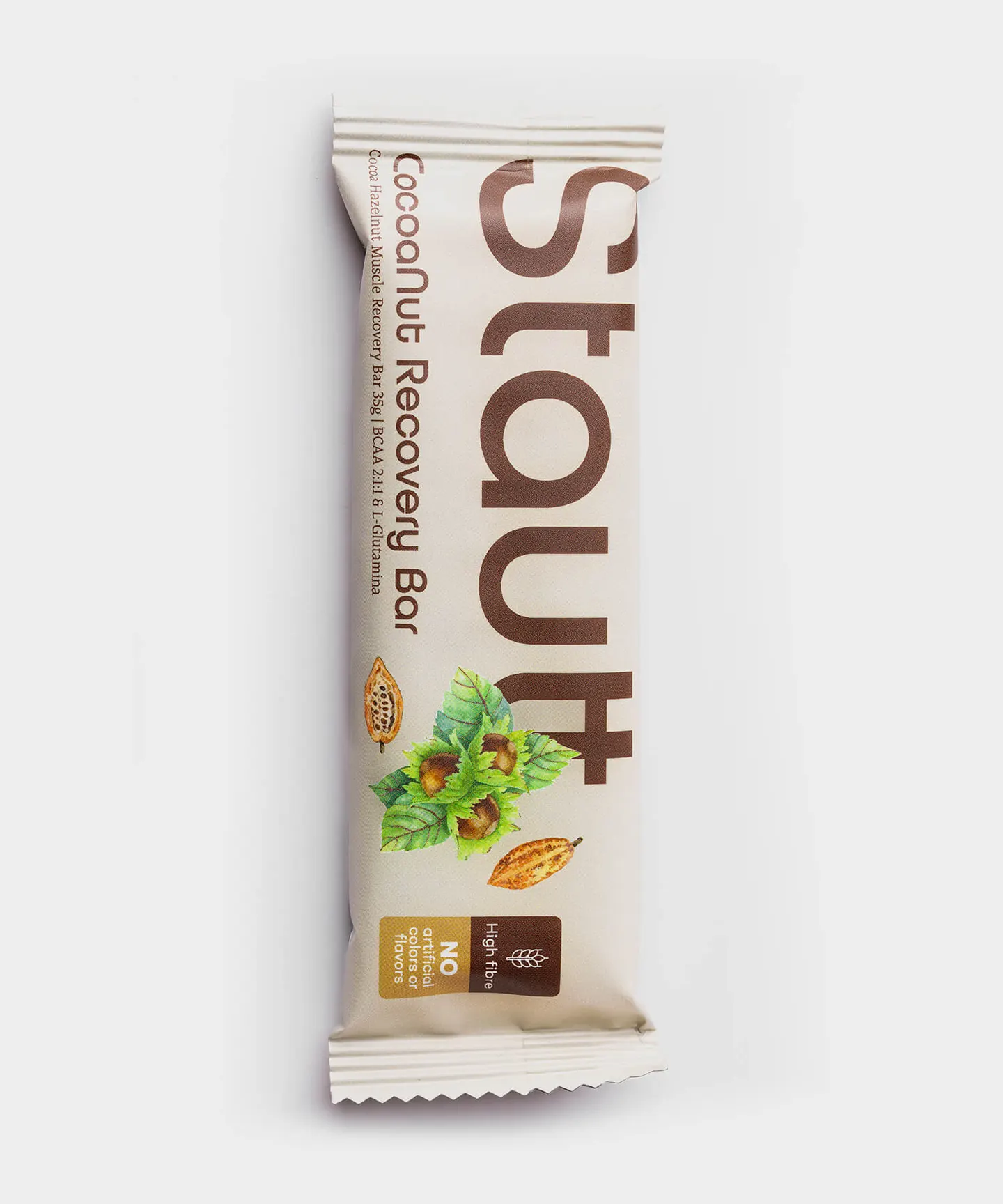
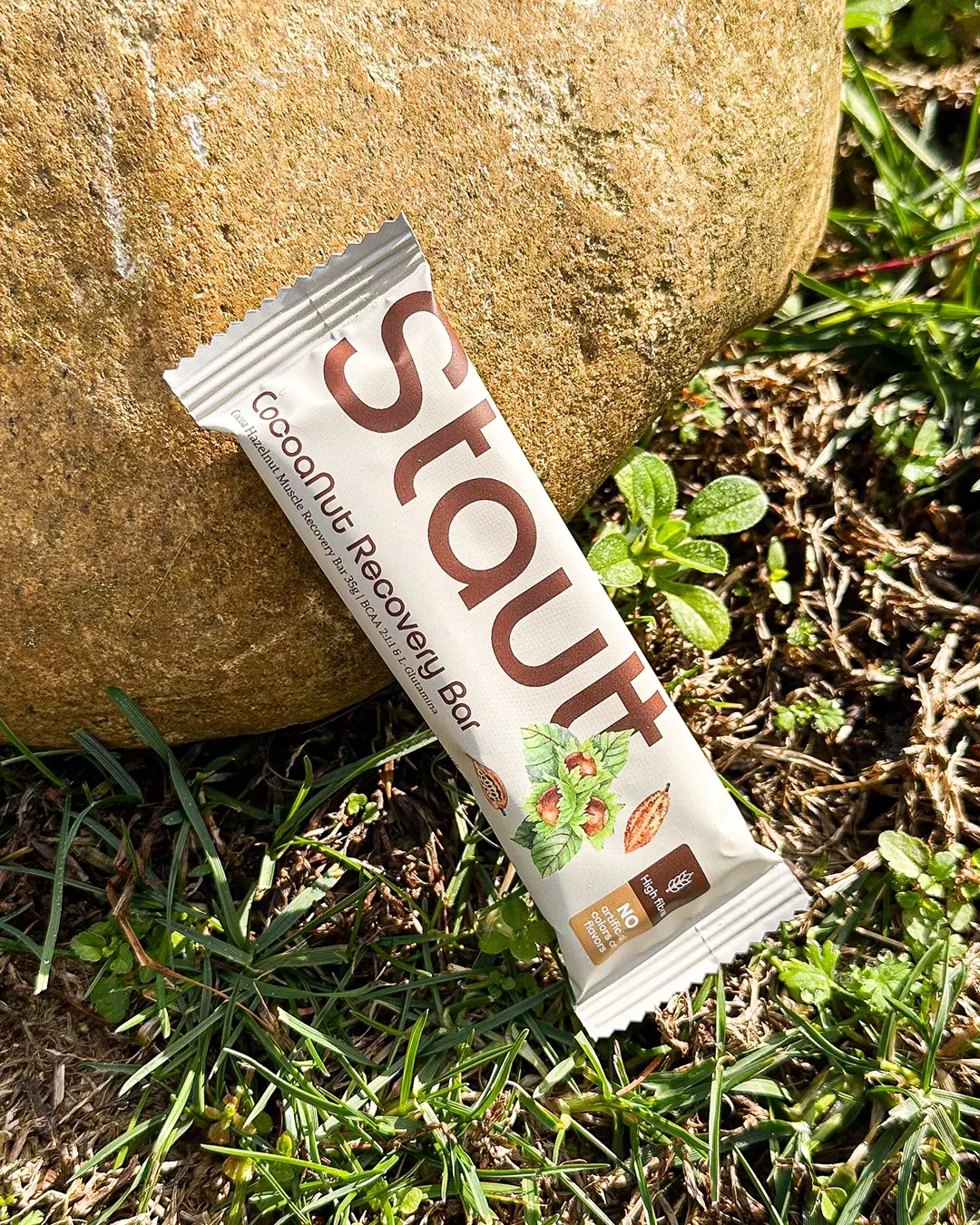
What BCAA and glutamine are and why they work
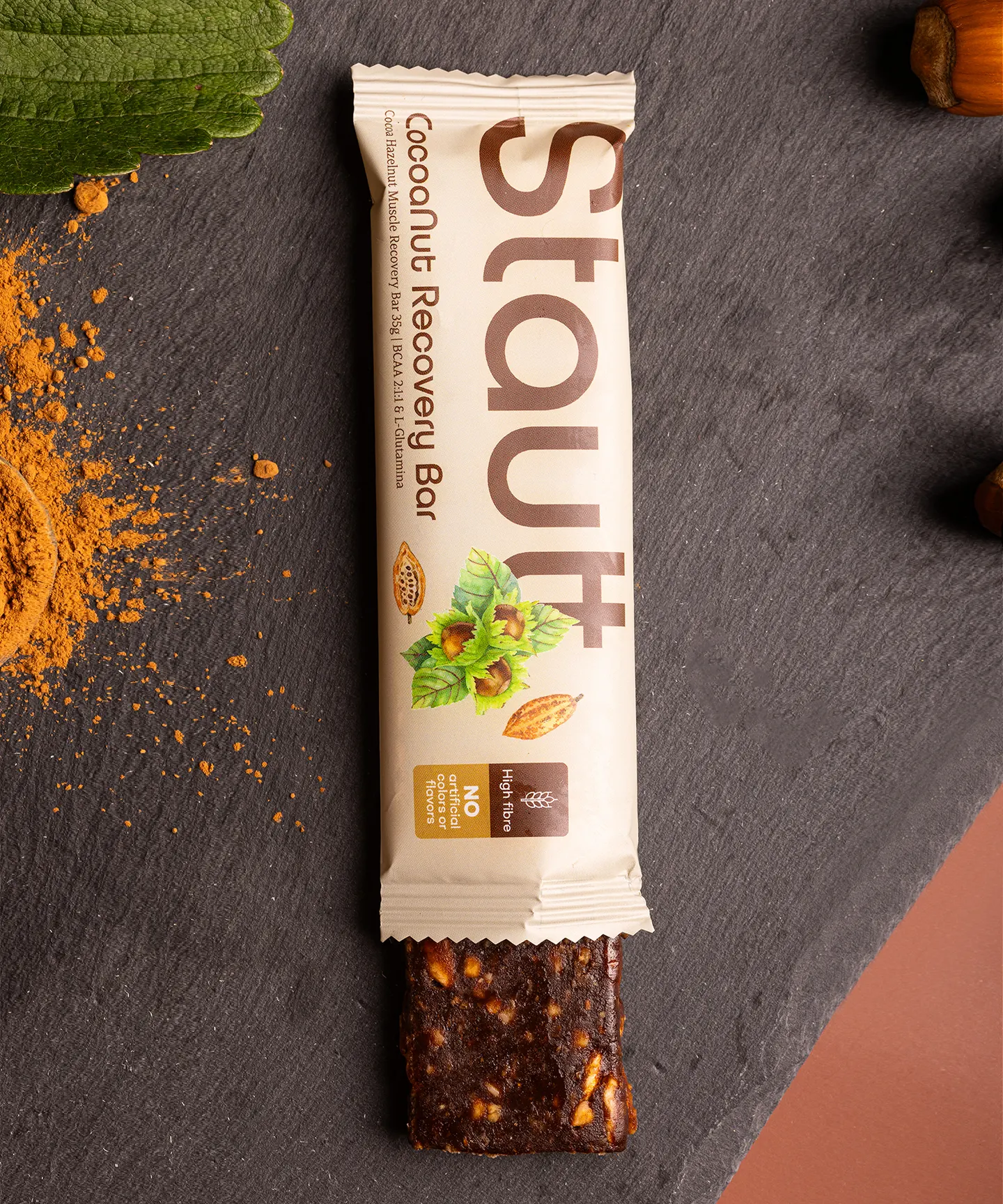
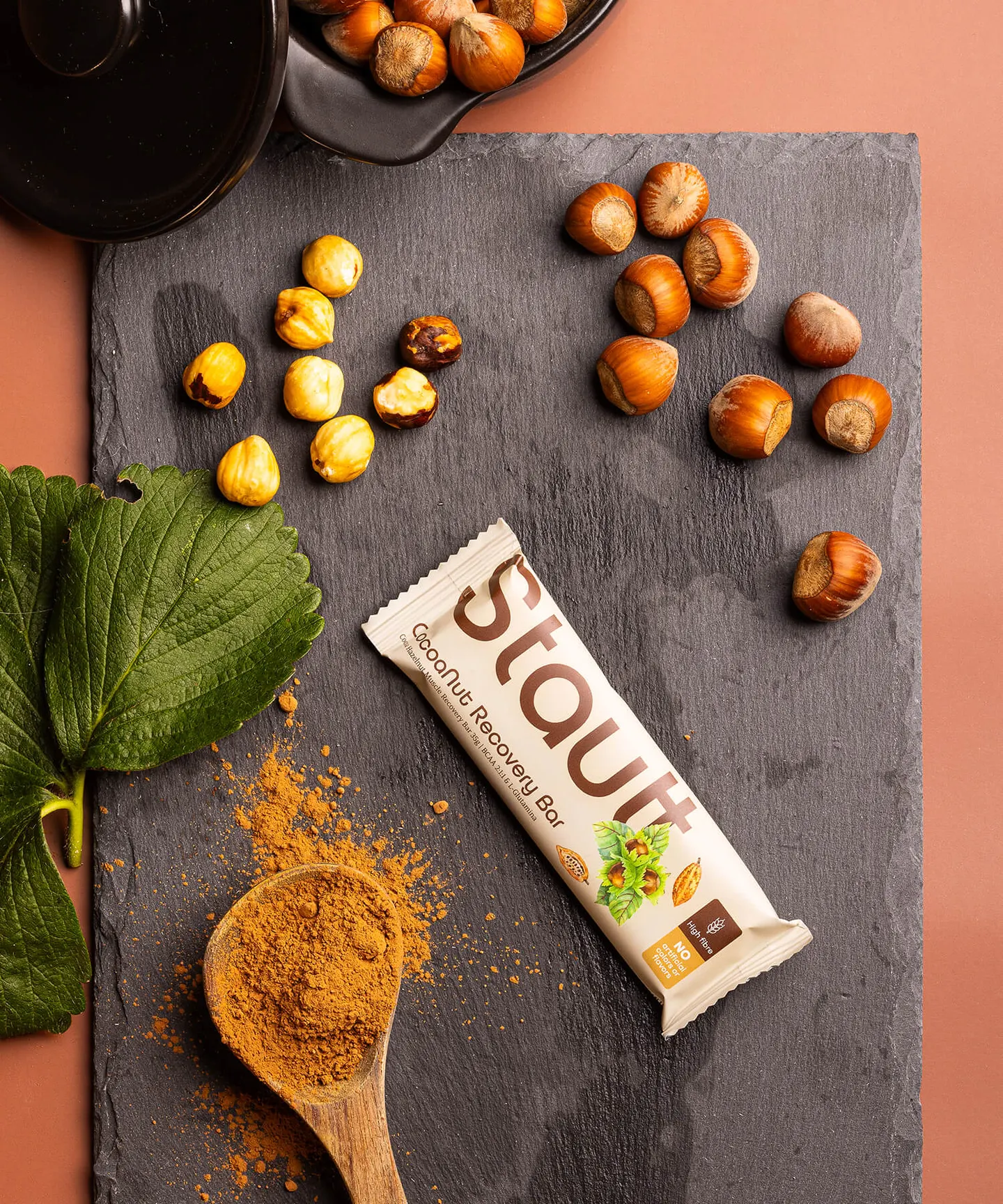
BCAA, or branched-chain amino acids, are a group of three essential amino acids: L-Leucine, L-Isoleucine and L-Valine, in a 2:1:1 ratio. They are called “essential” because the body does not produce them on its own and they must be obtained through food or supplementation. They are the most abundant amino acids in muscle tissue and the first to be used as fuel during intense exercise. L-Leucine is the most important amino acid for muscle protein synthesis: it activates the mTOR pathway, the primary signalling mechanism that stimulates the repair and growth of muscle fibres after training. L-Isoleucine and L-Valine complement this effect with energy production during effort and with the reduction of muscle fatigue. L-Glutamine is the most abundant amino acid in blood plasma and muscle tissue. Scientific studies show that periods of intense training significantly reduce blood glutamine levels, which compromises recovery and can weaken the immune system. L-Glutamine supplementation supports post-workout recovery, contributes to the reduction of muscle soreness and helps restore muscle glycogen stores for the next session.
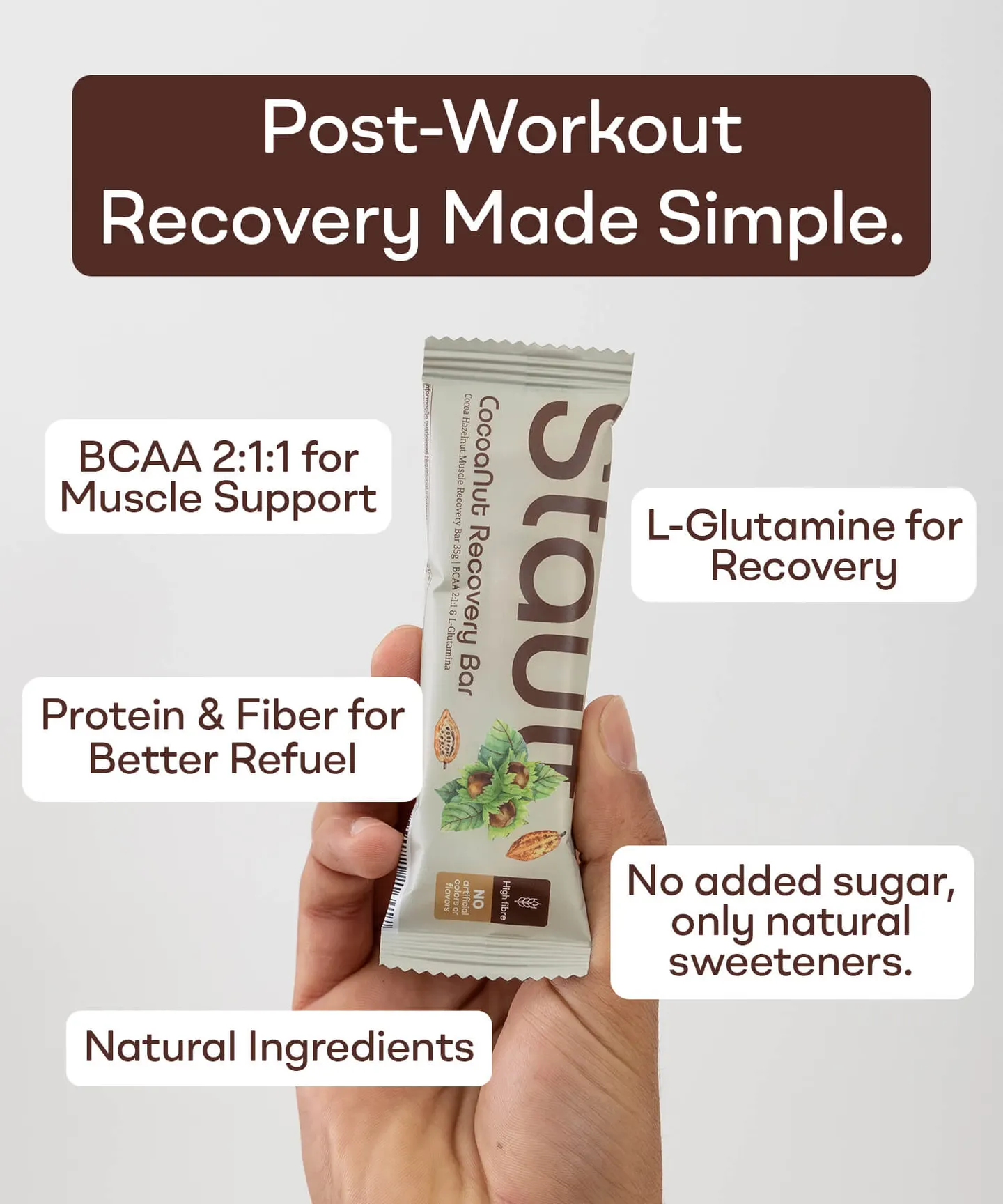
BCAA 2:1:1: the right ratio
The 2:1:1 ratio (leucine, isoleucine, valine) is the most studied and used for muscle recovery and protein synthesis after effort.
500mg of BCAA per bar
A dose of BCAA in a natural and portable format, no powders, no shakers, no complexity.
500mg of L-Glutamine per bar
Glutamine drops after intense training. Supplementation supports recovery, reduces muscle soreness and supports the immune system.
Post-workout energy from dates
Dates provide fast-absorbing glucose to replenish the muscle glycogen used during effort.